Real system (context)
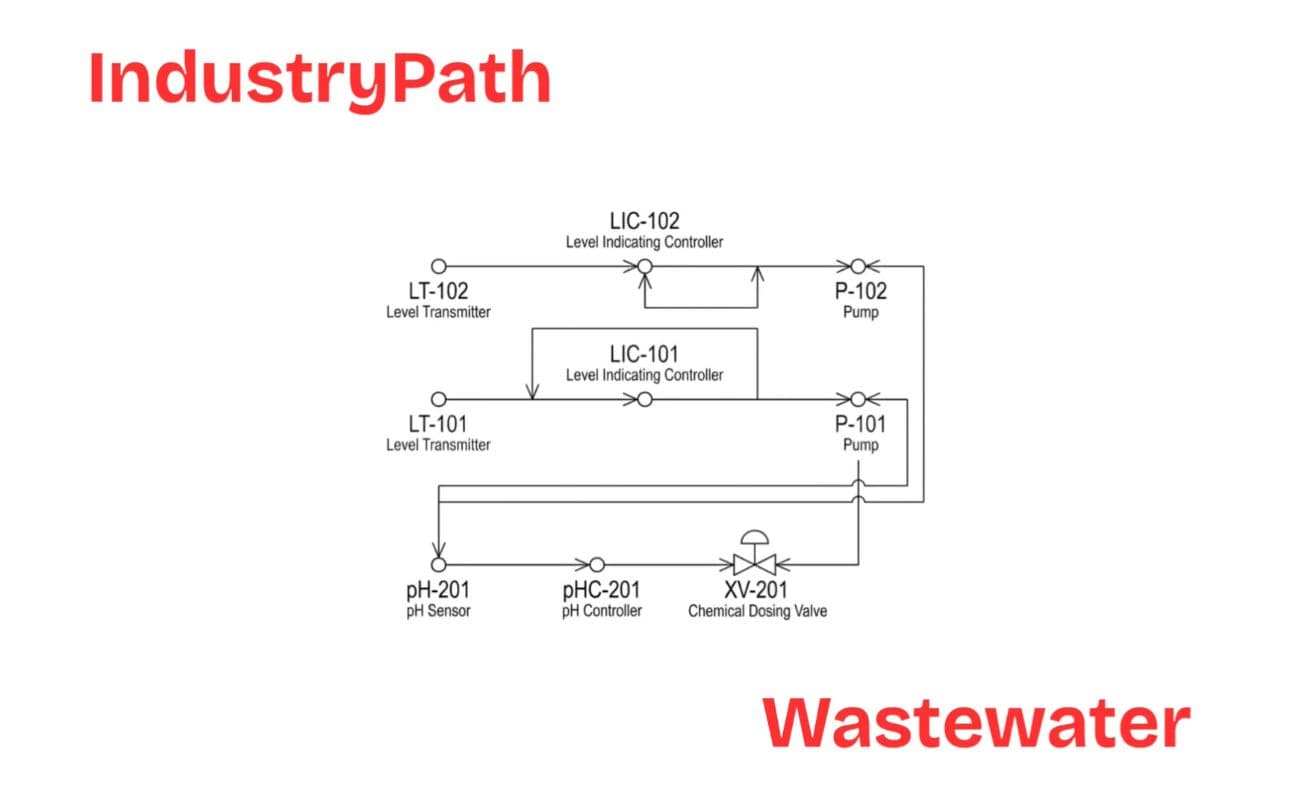
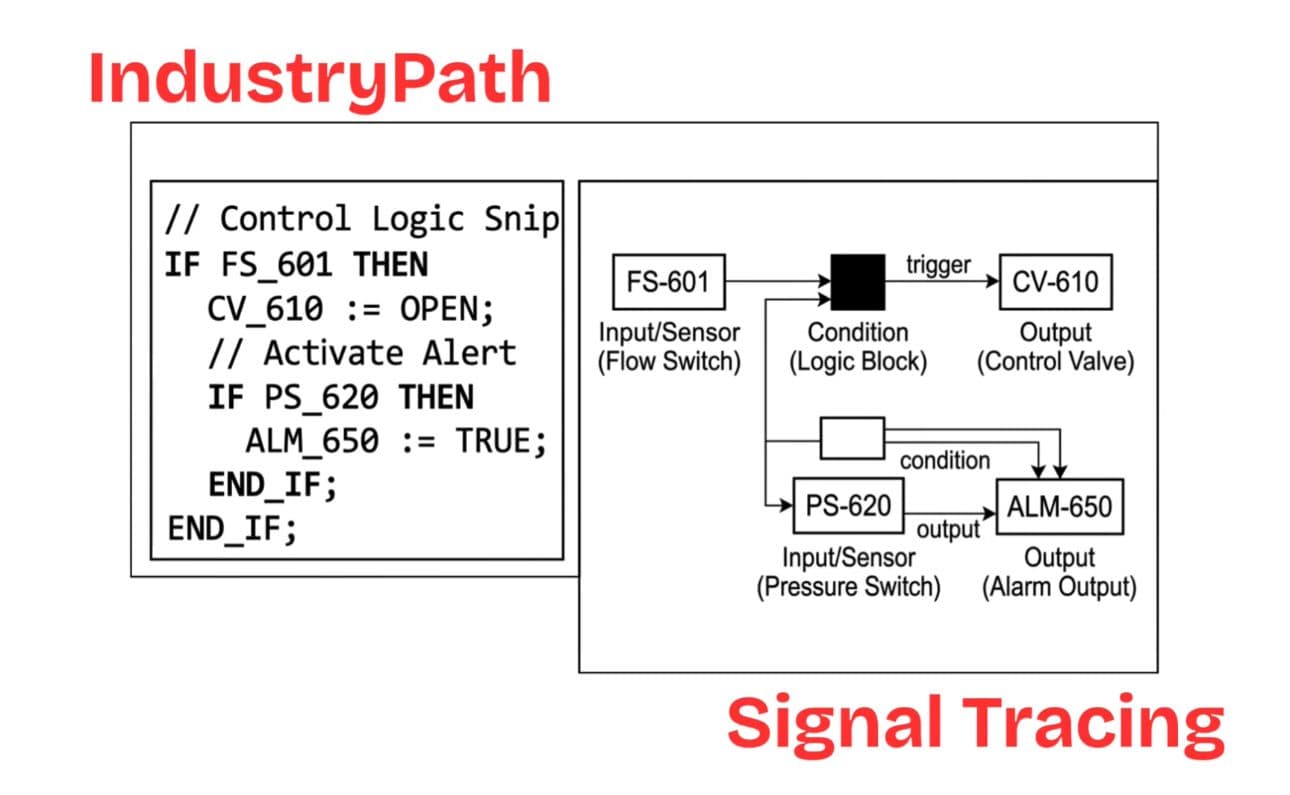
A municipal wastewater upgrade team needed to understand a legacy control stack with incomplete docs and years of incremental edits. The biggest problem was uncertainty around how signals propagated during alarms and interlocks.
Real workflow (what was done)
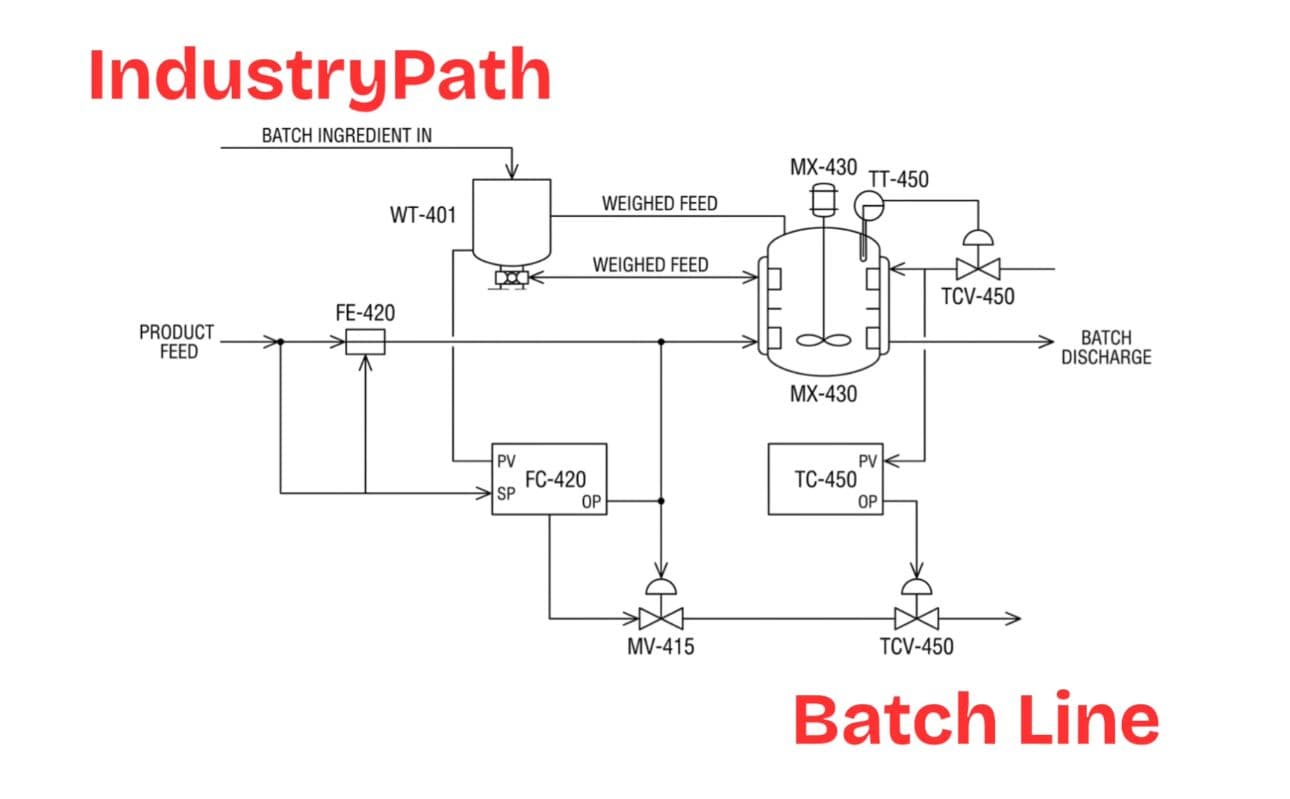
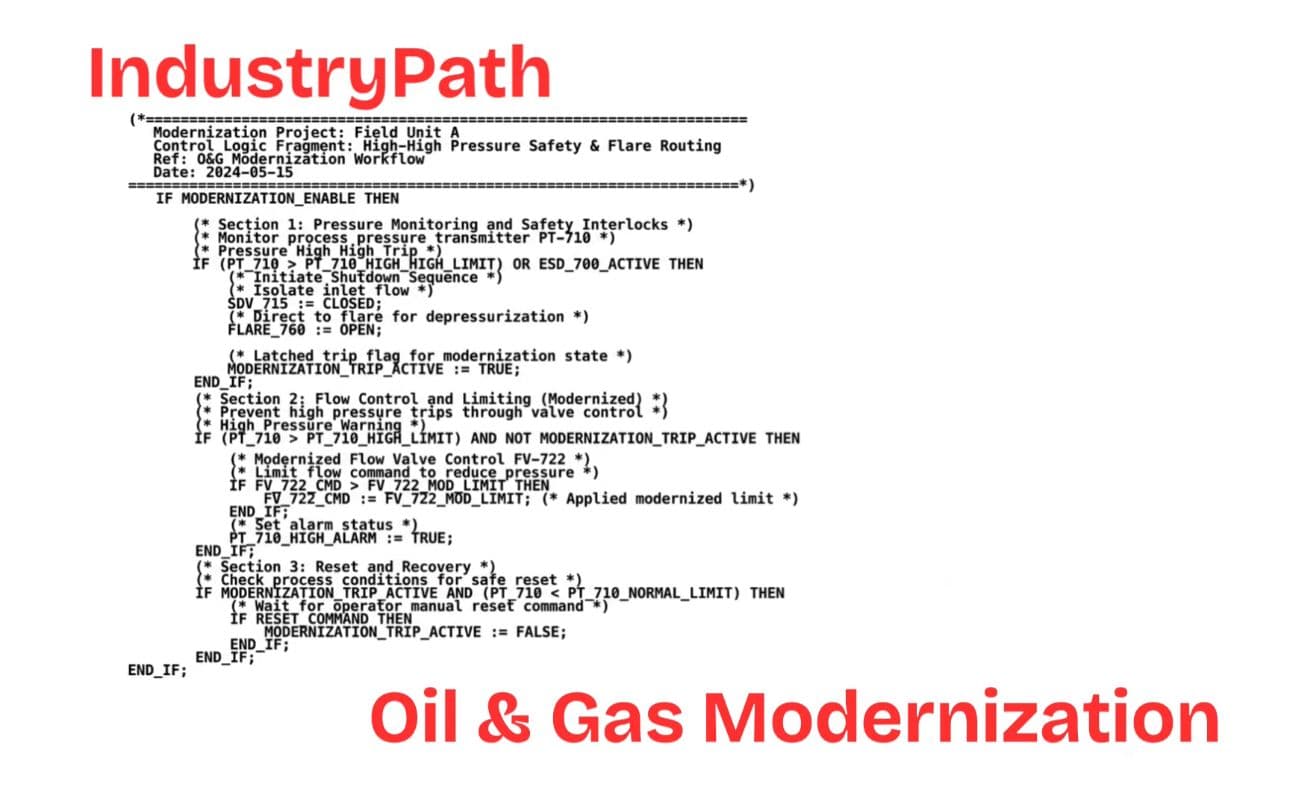
The team uploaded existing documentation and controller exports, then generated a structured system graph with tagged relationships. From there, the platform generated logic candidates, mapped IO points, and surfaced signal paths for each critical sequence.
Real outcome (what changed)
Engineers moved from fragmented spreadsheets to a single model-driven workflow. Review cycles became faster, and the team could validate control behavior before field deployment rather than discovering issues late in commissioning.
Measured workflow impact
Percentage change across real engineering workflows